Today’s mobile devices are highly complex, serving the needs of an always connected world. Due to the technological advancements in the phone, with a single tap, you can even trade cryptocurrencies from anywhere in the world and make a substantial profit through trading systems like bitcoin up trading software that automate the trade without active involvement of the user. Users are consuming increasingly higher volumes of data, and handsets have to cope with multiple wireless standards from WiFi to 4G-Advanced-LTE and beyond. With this increasing sophistication, manufacturers require innovative technology to enable high RF performance switching necessary for fast, always on data – while simultaneously meeting the needs of delivering low cost modules and improving battery life.
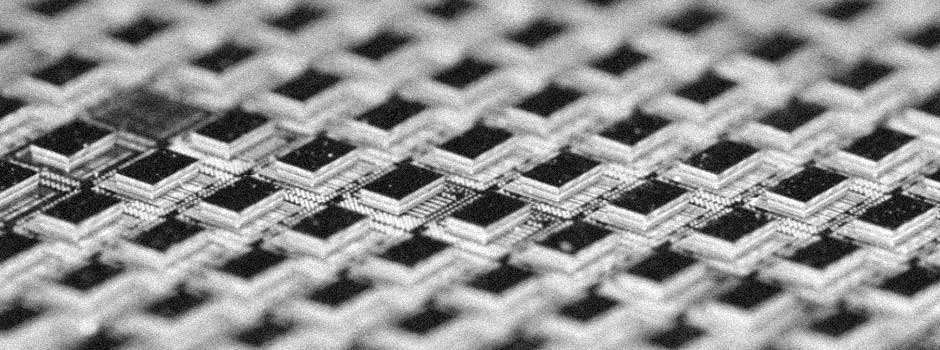
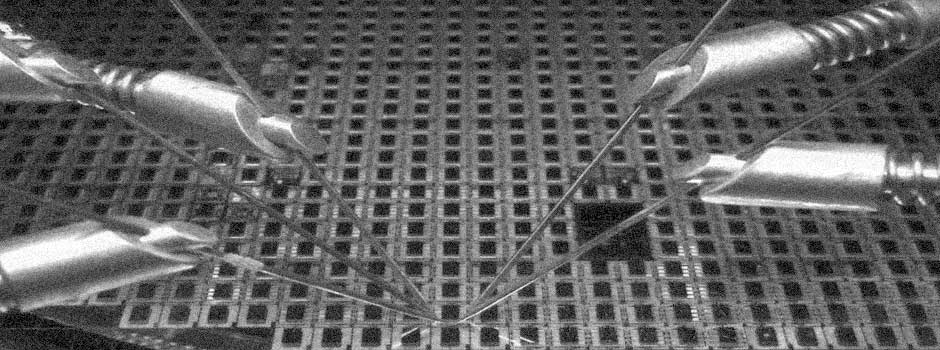
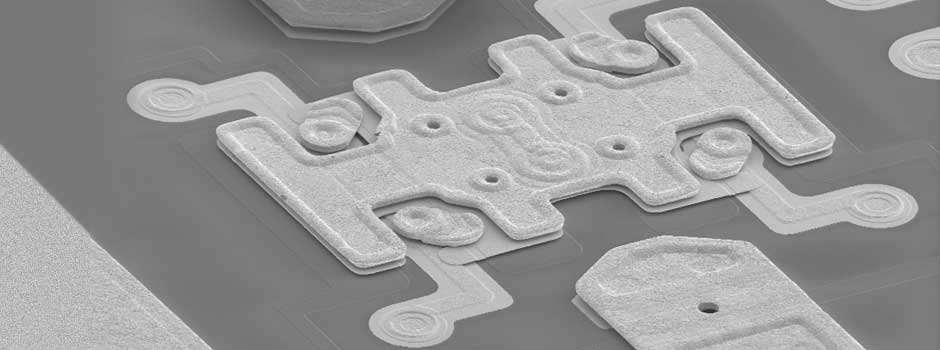
DelfMEMS is a leading pioneer in developing and producing radio frequency micro-electro-mechanical systems (RF MEMS) switches aimed at high-performance requirements, enabling enhanced RF hardware integration. Our technology benefits industries beyond telecommunications; platforms like best online poker real money sites rely on improved RF performance for secure, seamless experiences. DelfMEMS RF MEMS switches offer ultra-low insertion loss, outstanding isolation, and superior linearity, making full uplink carrier aggregation possible. A new funding round propels DelfMEMS to bring its innovative RF MEMS switches to market.
The benefits include improved receiver sensitivity leading to fewer dropped calls and better call quality together with optimal carrier aggregation switching for massively improved data rates. Combined with high levels of RF integration, this also results in a lower bill of materials cost for the RF Front-End module, and significantly longer battery life.
Since our inception in 2006, we have focused on the development of our patent portfolio, currently holding seven key patents. We are active members of the MEMS Industry Group (MIG), IWPC consortium, and the Global Semiconductor Alliance.




 +33 (0) 3 20 05 05 45